Old monsters still dress the fears we never outgrew.
Quick answer. Classic monsters represent old human fears made visible: Dracula is desire, death and seduction; Frankenstein is creation, rejection and responsibility; werewolves are instinct, transformation and loss of control. In gothic clothing, those figures become wearable symbols rather than simple horror references.
Classic monster meanings last because the figures are archetypes before they are costumes. The vampire, the stitched creature, the wolf-man and the witch all carry a different kind of darkness.
Classic horror survives because it gives fear a shape. Blood becomes a vampire. Scientific guilt becomes Frankenstein's creature. Animal instinct becomes the werewolf. Ritual power becomes the witch.
Ink & Thread places those old fears inside Grave & Glory - classic horror figures redrawn as tattoo-inspired gothic streetwear.
What do classic monsters symbolise?
Classic monsters symbolise fear, desire, grief, transformation, forbidden knowledge and the body under pressure. A classic monster is never only a creature. A classic monster is a human anxiety given teeth, stitches, fur or ritual power.
The strongest gothic monsters do not work because they are violent. The strongest gothic monsters work because they are recognisable. Dracula wants. Frankenstein's creature suffers. The werewolf changes. The witch knows something the village fears.
That recognisable emotional core is why classic horror imagery fits gothic wardrobes so well. A monster graphic can carry mood, history and identity without needing a slogan.
What does Dracula symbolise?
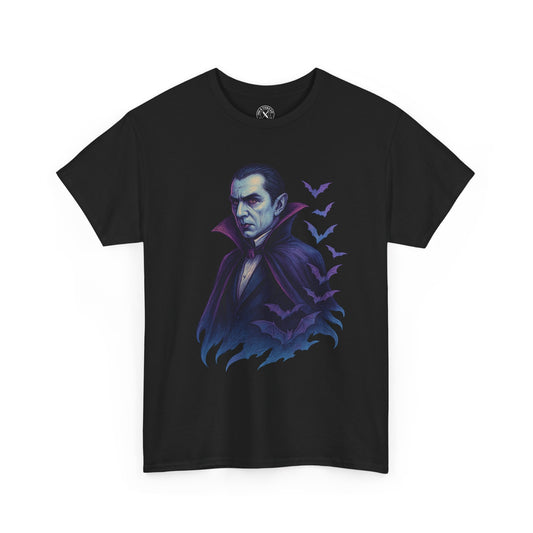
Dracula symbolises desire, death, aristocratic control, seduction and the fear of being consumed. Bram Stoker's Dracula, published in 1897, sharpened the vampire into one of gothic literature's most enduring figures.
The vampire is powerful because the symbol is elegant and threatening at the same time. Dracula wears darkness like a uniform. The cape, fangs, blood, bat wings and old-world posture all create a figure that feels controlled until the hunger shows.
In gothic fashion, Dracula imagery works best when it leans into restraint. A vampire design does not need gore. A strong collar, shadowed face, bat silhouette, coffin shape or blood-red implication is enough to carry the symbol.
What does Frankenstein's monster mean?
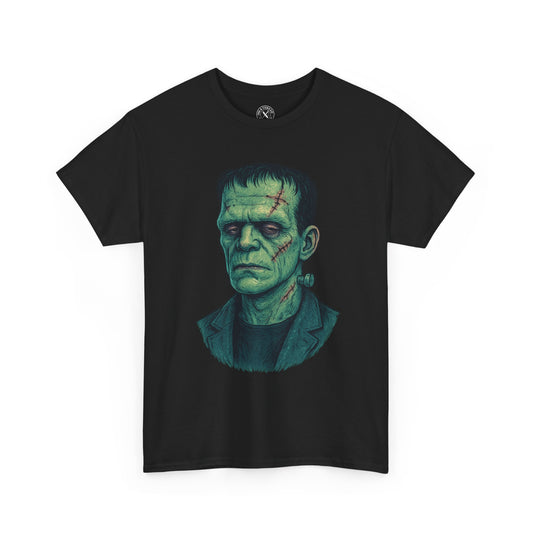
Frankenstein's monster means creation without care, isolation, rejection and the cost of playing with life. Mary Shelley's Frankenstein was first published in 1818, and the creature has remained powerful because the horror is emotional as much as scientific.
The creature is not only a warning about science. The creature is a warning about abandonment. A body is built, awakened and then left to suffer because its creator cannot face what he has made.
That meaning gives Frankenstein imagery a different weight from most horror symbols. Stitches, bolts, heavy brows and scarred skin can look brutal, but the core of the figure is sadness. The monster is frightening because he is also recognisably wounded.
What do werewolves symbolise?
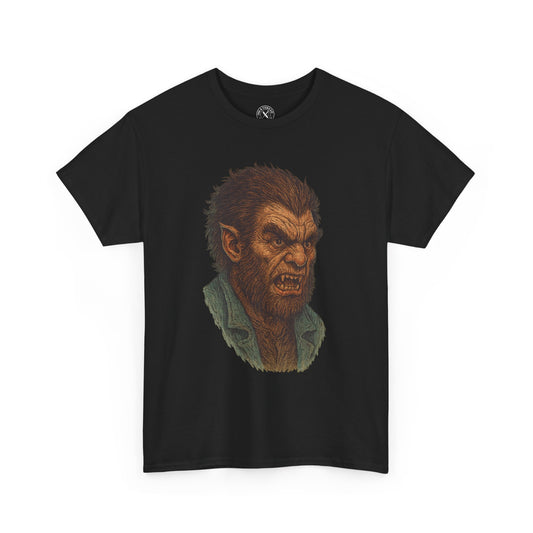
Werewolves symbolise transformation, instinct, repression and the fear of losing control. The werewolf meaning is built around the split between the civilised self and the animal self.
The full moon matters because it removes choice. The human body changes, the human mind fractures, and the hidden hunger comes forward. A werewolf story is rarely just about a wolf. A werewolf story is about what happens when the controlled self fails.
In gothic wardrobes, werewolf imagery adds movement and aggression. Fur, claws, moon shapes, torn fabric and snarling profiles create a design language that feels physical, restless and harder-edged than the vampire or the stitched creature.
Why does gothic fashion use monsters?
Gothic fashion uses monsters because monsters turn identity into symbol. A monster on fabric can say outsider, survivor, romantic, cursed, defiant or haunted without explaining the feeling in plain language.
Horror graphics fail when they become flat merchandise. A poster image on a shirt can feel like a souvenir. A symbolic monster design feels more permanent because it treats the figure as an emblem rather than a scene.
That difference matters for a gothic wardrobe. Dracula, Frankenstein, werewolves and witches are not just seasonal Halloween figures. They are visual shorthand for old fears that still feel current: desire, creation, instinct, ritual and exile.
Which classic monster fits which meaning?
Each classic monster carries a different symbolic centre. The cleanest gothic wardrobe uses that difference instead of treating every horror figure as the same kind of darkness.
Dracula: desire, death, seduction, old power, appetite and control.
Frankenstein: creation, rejection, grief, responsibility, isolation and the made body.
Werewolf: instinct, transformation, repression, violence and loss of control.
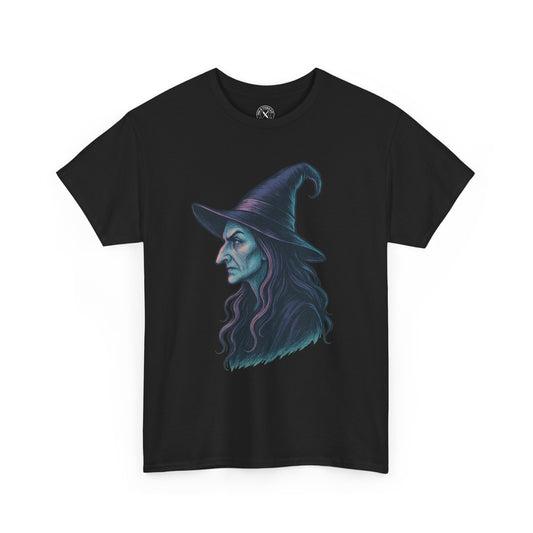
Witch: ritual, knowledge, accusation, feminine power, folklore and exile.
Mummy: time, curse, preservation, burial and the past returning.
Ghost: memory, grief, unfinished business and presence after death.
The strongest monster wardrobe keeps the figure readable. One monster, one dominant symbol, one strong silhouette. Too many horror references in one design turns meaning into noise.
Grave & Glory: old fears, redrawn
Classic horror figures rebuilt as tattoo-weight gothic graphics.
Grave & Glory treats classic monsters as symbols, not jump scares. The collection uses Dracula, Frankenstein, The Werewolf Man and The Witch as old-world figures with tattoo-weight linework and gothic restraint.
Dracula brings control and appetite. Frankenstein brings sorrow and creation. The Werewolf Man brings instinct and transformation. The Witch brings ritual, knowledge and fear of the outsider.
The point is not to dress like a horror poster. The point is to wear the archetype cleanly. Grave & Glory gives the old monsters enough room to stand as symbols.
Frequently asked questions
What do classic monsters symbolise?
Classic monsters symbolise the fears people keep returning to: death, desire, transformation, creation, isolation, instinct and forbidden knowledge. Dracula, Frankenstein and werewolves work because each figure gives one fear a memorable body. Gothic style uses those figures because the symbols are instantly readable.
What does Dracula represent in gothic horror?
Dracula represents seduction, death, appetite, control and old-world power. The vampire is frightening because he is not chaotic. Dracula is composed, elegant and predatory. Gothic clothing uses Dracula imagery when the design needs refinement, darkness and threat without becoming loud.
What does Frankenstein's monster symbolise?
Frankenstein's monster symbolises creation without responsibility, rejection, grief and the pain of being made into an outsider. The creature is not only a science-fiction warning. The creature is also a gothic image of loneliness, abandoned life and the body treated as an experiment.
What does a werewolf symbolise?
A werewolf symbolises transformation, animal instinct, repression and loss of control. The werewolf figure is powerful because the monster is still partly human. The symbol asks what happens when the civilised self breaks and the hidden hunger takes over.
Why do gothic wardrobes use horror monsters?
Gothic wardrobes use horror monsters because they turn mood into symbol. Dracula, Frankenstein, werewolves and witches carry recognisable meanings without needing slogans. A strong monster graphic can suggest romance, exile, instinct, ritual or mortality in one clear image.
The old monsters, made wearable
Classic monsters endure because they never belonged only to one film, one book or one season. The figures survive because people keep recognising themselves in the fear.
On black fabric, the monster becomes direct: collar, fang, stitch, claw, moon, candle, spell. Horror stripped back into a symbol.
Grave & Glory
Dracula, Frankenstein, The Werewolf Man and The Witch rebuilt as dark gothic graphic tees.