There has always been something dangerous about a deck of cards. From smoky back rooms to centuries of folklore about fate, luck, and death, playing card symbolism has never been neutral. The suits carry meaning. The court cards carry archetypes. And the Ace of Spades has been the death card in almost every culture that has ever touched a standard deck.

Crown & Bone takes that symbolism and cuts it deeper. Every design in the collection reimagines a classic playing card suit through skulls, crowns, and gothic linework — building a full gothic deck, one card at a time, designed to live on black fabric the way good ink lives on skin.

This is the story behind the deck.

Crown and Bone gothic playing card t-shirt collection by Ink and Thread

Where Playing Cards and Tattoo Culture Share the Same Language

Playing card symbolism and tattoo culture were always going to collide. Both are visual languages built on bold contrast, heavy linework, and images designed to carry meaning at a distance. Both have roots in folklore, superstition, and the kind of iconography that outlives the era it came from.

The four playing card suits — spades, hearts, diamonds, and clubs — have carried symbolic weight for centuries. Spades represent death and intellect. Hearts represent love and loss. Diamonds represent wealth and its cost. Clubs represent conflict and earned power. In tarot tradition, these suits map directly onto the four elements and four dimensions of human experience.

Tattoo flash has always known this. The playing card has been a staple of traditional tattoo design since the early twentieth century — bold enough to read from across a room, symbolic enough to mean something personal. Crown & Bone takes that tradition and rebuilds it from the skeleton up.

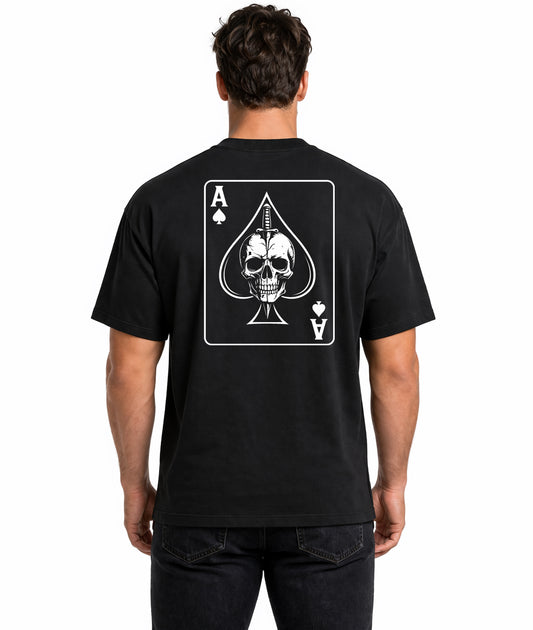
Ace of Spades gothic playing card design with skull and ace suit symbol from the Crown and Bone collection

The Spades Suit — Death, Power and the Darkest Hand in the Deck

Spades have always been the darkest suit in the deck. The shape itself is thought to derive from a pike — a weapon of war — or from the sword suit in older European card traditions. In the American military during the Vietnam War, the Ace of Spades meaning became weaponised deliberately — left on battlefields as a symbol of death. In card games, it outranks every other suit.

In tattoo culture, the spade is equally loaded. It represents intelligence, the acceptance of mortality, and a refusal to look away from hard truths. Pair it with a skull and it becomes something elemental — a symbol that acknowledges death without mourning it.

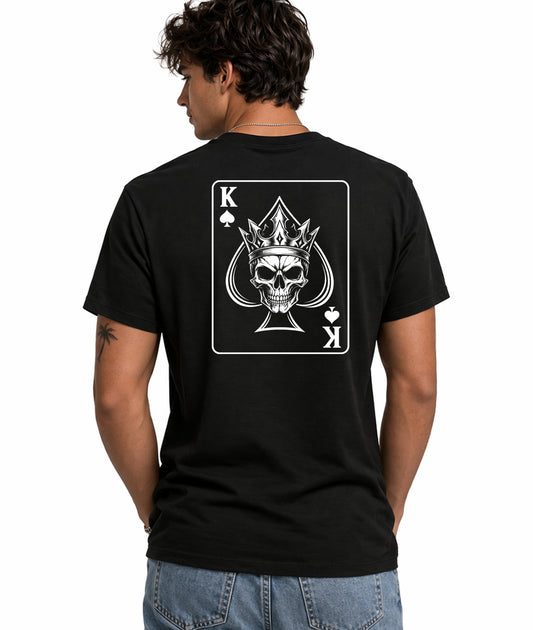
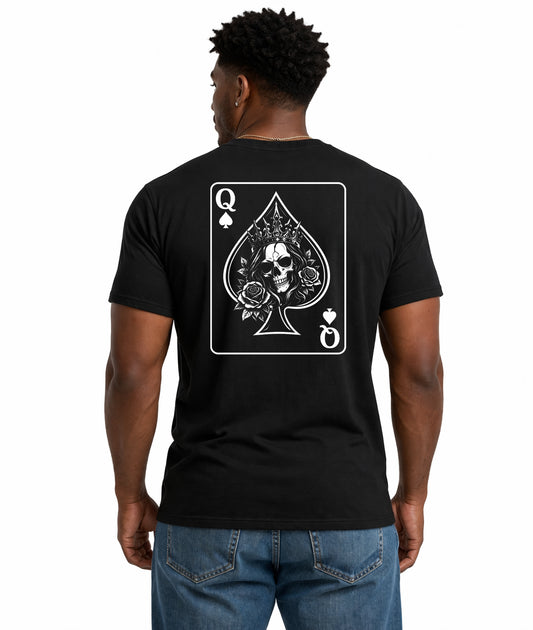
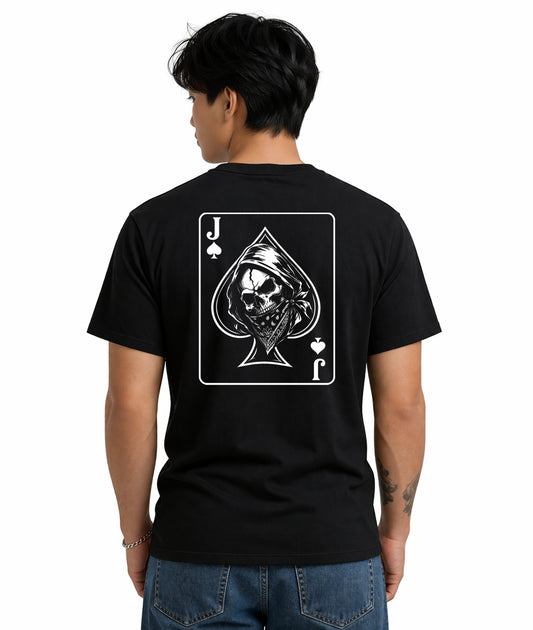
The Crown & Bone Spades suit runs four cards deep. The Ace of Spades anchors the collection — a skull framed in the classic Ace format, sharp and uncompromising. The King of Spades wears his crown even in death, holding authority beyond the grave. The Queen of Spades carries roses alongside bone — beauty and decay in deliberate contrast. The Jack of Spades is the wild card: cloaked, unpredictable, the trickster of the court.

Four figures. One suit. All built around the same truth that the best gothic art has always known: death does not diminish power. Sometimes it defines it.

The Spades Suit — Shop the Full Court

Four cards. One aesthetic. The complete Crown & Bone Spades collection, built around skull iconography and the darkest suit in the deck.

Ace of Clubs gothic playing card design with skull and club suit symbol from the Crown and Bone collection

The Four Aces — One Card From Every Suit

Every suit in a deck begins with an Ace. In traditional playing card symbolism, the Ace is the threshold card — sitting between power and nothing, the first and the last. In cartomancy and tarot tradition, the Aces represent pure potential: the raw, undiluted energy of whatever suit they carry.

Crown & Bone gives each Ace its own visual identity, each one rooted in the symbolism of its suit.

The Ace of Spades is the death card. Always has been. Bold, brutal, the skull front and centre — the most iconic card in any deck.

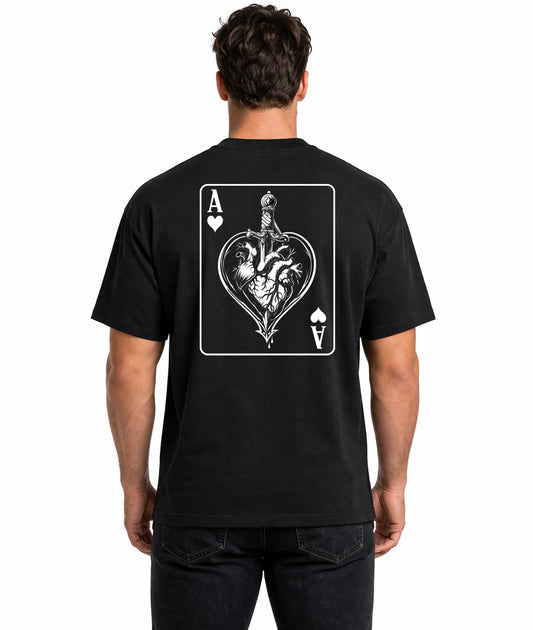
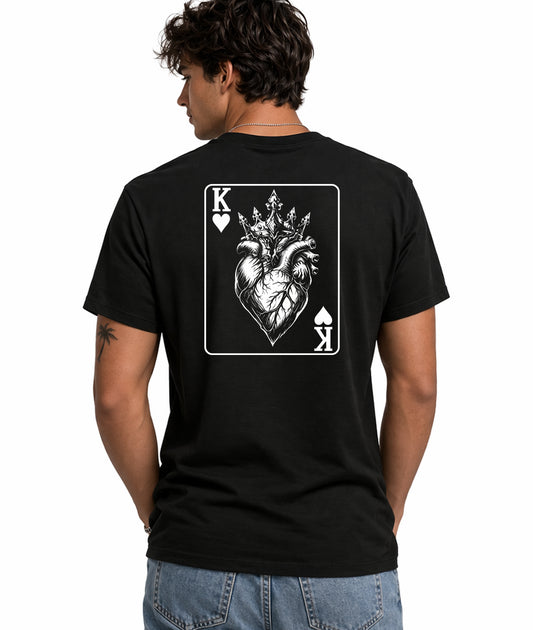
The Ace of Hearts turns inward. Where the Spades Ace looks outward with defiance, the Hearts Ace carries something more visceral. The anatomical heart — not the valentine shape, but the real thing — sits at the centre of the design. Ace of hearts meaning in cartomancy points to love, new beginnings, and emotional truth. In Crown & Bone, it points to all three at once.

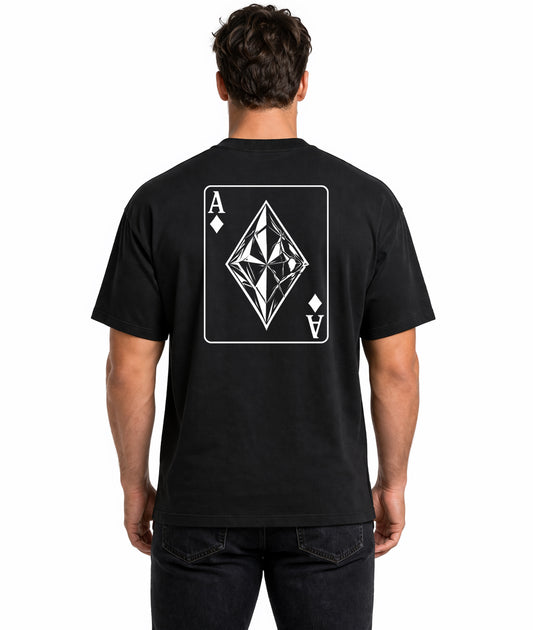
The Ace of Diamonds is wealth, obsession, and the weight of what we value. Diamonds are the suit of material power, and in gothic symbolism the pursuit of material things is never separated from its cost. The skull here wears that cost plainly.

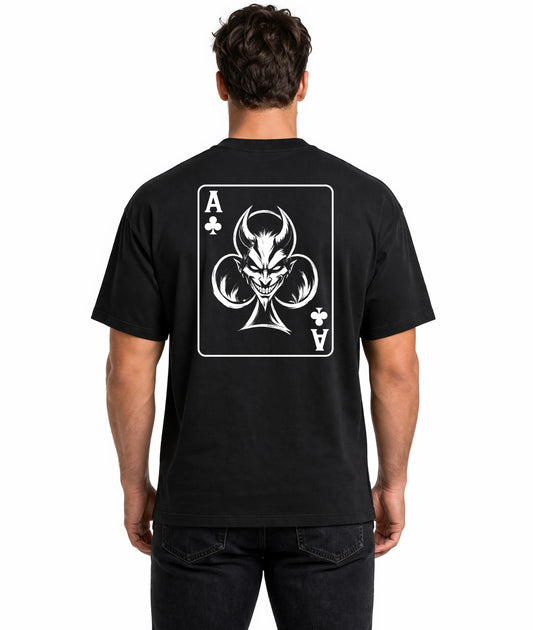
The Ace of Clubs brings kinetic energy to the deck. Clubs are the suit of action, conflict, and things earned through force. The Crown & Bone Ace of Clubs carries that forward-leaning energy — a skull that looks like it won the fight.

Ace of Hearts gothic playing card design featuring anatomical heart and dagger from the Crown and Bone collection

The Hearts Suit — Love, Loss and the Anatomical Truth

Hearts are deceptive. In popular culture they represent romance — soft, uncomplicated, valentine-shaped. But the heart has always been the organ most associated with suffering as much as love. It breaks. It races. It fails. Gothic and tattoo culture have always understood this, which is why the anatomical heart appears so frequently in dark art and traditional ink.

Crown & Bone's Hearts suit leans fully into that duality. These are not romantic cards. They are cards about what love actually costs.

The King of Hearts is the most mythologised court card in the standard deck — the only King traditionally shown without a moustache, historically nicknamed the suicide king for the sword appearing to pierce his own head. In Crown & Bone, the King of Hearts wears a crown over bone, holding his authority over the most demanding suit in the deck.

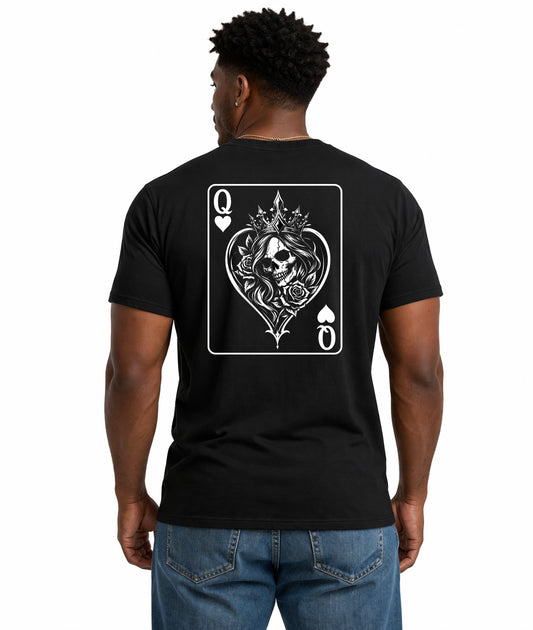
The Queen of Hearts is all elegance and edge — skull adorned, roses present, the anatomical heart woven through the composition. She is not soft. She is precise.

Together with the Ace, the Hearts suit covers the full emotional register that gothic art has always been drawn to: the rawness of love, the permanence of loss, and the beauty that exists in both.

The Hearts Suit — Love, Loss and Bone

Three cards built around the anatomical heart and the true cost of feeling everything.

Ace of Diamonds gothic playing card design featuring skull crowned with crystal diamond from Crown and Bone

Diamonds and Clubs — The Suits That Complete the Deck

A full deck needs all four suits, and Crown & Bone builds toward a complete gothic card system. Diamonds and Clubs bring their own energy — and their playing card symbolism runs deeper than most people realise.

Diamonds are the suit of earthly wealth and material obsession. In cartomancy, Diamonds represent money and ambition — but also the hollow weight of chasing it. In gothic aesthetics, the diamond shape carries sharp, fractured energy: precise, geometric, cold. The Crown & Bone Diamond designs carry that through — a skull wearing the shape of wealth, every line deliberate.

Clubs are the suit of action and conflict. Where Spades represent the acceptance of death, Diamonds represent wealth's burden, and Hearts represent love's cost, Clubs represent the fight itself. Historically the suit of the common people — things earned through force, not favour. The Crown & Bone Ace of Clubs carries that forward-leaning, kinetic energy into every line.

Together, all four suits form a complete symbolic map of the human experience that gothic art has always been drawn to: mortality, love, ambition, and conflict. Crown & Bone covers all four.

Diamonds and Clubs — Wealth, Conflict and the Complete Deck

The suits that finish the story. Sharp, symbolic, built for black.

King of Spades gothic playing card design featuring crowned skull with sword from the Crown and Bone collection

The Court Cards — Skulls as Archetypes, Not Just Symbols

The court cards — Kings, Queens, and Jacks — are the characters of the deck. In traditional playing card symbolism, they represent archetypes that have been consistent across centuries of card design: the King as sovereign authority, the Queen as power tempered by intuition, the Jack as the unpredictable agent of the court.

The Queen of Spades meaning in cartomancy points to a woman of intelligence, independence, and sharpness — someone who has seen difficulty and is not diminished by it. In Crown & Bone, the Queen of Spades wears that energy in bone and roses.

The King of Spades meaning speaks to authority, analytical thinking, and the capacity to make hard decisions without flinching. In Crown & Bone, the King of Spades wears his crown in death as he would have worn it in life.

The Jack of Spades meaning is more ambiguous — the youngest of the court, often associated with deception, unpredictability, and hidden intentions. In Crown & Bone, the Jack is cloaked, partially obscured, carrying the suit's edge without the King's composure.

Crown & Bone gives all these archetypes the same treatment: strip away the flesh, keep the crown. What remains is the symbol, not the performance of it.

Joker gothic playing card design featuring jester skull and trickster iconography from Crown and Bone

The Joker — Outside Every Rule in the Deck

Every deck has a Joker, and no card is harder to define. The Joker sits outside the suit system entirely — no rank, no category, no fixed value. In some games it is the most powerful card on the table. In others it counts for nothing. It is the card that changes the rules of whatever game you happen to be playing.

The Joker card meaning in folklore and symbolism connects to the trickster archetype — the jester, the fool, the chaos agent that appears across mythology precisely because it represents the part of existence that refuses to be categorised. You cannot rank chaos. You cannot suit it.

In tattoo culture, the Joker has always carried a specific kind of appeal: it is the card for people who have never quite belonged to one category, one group, one fixed identity. The Joker is not a lesser card. It is an outside card — and outside is exactly where it wants to be.

The Crown & Bone Joker completes the deck by standing apart from it. If you are drawn to the Joker, you already know why.

Gothic playing card back design with ornate engraving and skull motif from the Crown and Bone collection

Built for Black — Why High Contrast Is the Point

Every design in Crown & Bone is built specifically for black garments, and that is not an afterthought — it is the entire design philosophy.

Tattoo flash has always been a high-contrast medium. The best flash art reads instantly from across a room because it is built on clean lines, strong fills, and the deliberate use of negative space. Crown & Bone applies the same logic to fabric. The white linework sits against black cotton the same way good tattooing sits against skin: sharp, permanent, no compromise.

The vector precision in each design means no detail gets lost at scale. Whether you are reading the full card composition or a specific motif — the crown, the skull, the suit symbol — everything holds. These are gothic graphic tees built to survive washing, wear, and distance.

If you have always been drawn to the aesthetic of a well-executed tattoo but want to carry the symbolism differently, that is the gap Crown & Bone was designed to fill. Tattoo-inspired clothing that does not look like costume wear — just clean, dark, and deliberately made.

The Full Deck — Wear the Whole Story

Crown & Bone is not a set of individual graphics that happen to share a colour palette. It is a system — built around a coherent visual language, a unified symbolic framework, and the concept of the deck itself: a complete set of characters and suits that hold meaning both separately and together.

Collect one card or collect the full deck. Wear the Ace of Spades because the playing card symbolism resonates. Wear the Queen of Hearts because she looks exactly how you feel. Wear the Joker because you have never belonged to one suit anyway.

Every piece in Crown & Bone is currently available at 25% off. High contrast. Tattoo precision. Built for black. Designed to last.

Back to blog